


The Inherent Flaws of Legacy Scheduling
For years, tools like Oracle’s Primavera P6 have been the industry standard for large-scale construction scheduling. They offer power and precision, no doubt. But they are also inherently rigid and complex. Building or modifying a schedule in these traditional systems demands specialized training, effectively centralizing control with a small, specialized group of schedulers or planners. They become the gatekeepers of the entire process.
This siloed approach creates significant blind spots. Data center projects are incredibly complex, requiring seamless integration of mechanical, electrical, structural, and IT infrastructure. Coordination challenges are guaranteed. When only a handful of individuals can genuinely contribute to the master schedule, critical insights from superintendents, subcontractors, or field engineers are inevitably missed.
The outcome? Schedules that appear solid on paper but often fail to align with jobsite realities. Overly optimistic sequencing, misjudged dependencies, and underestimated risk factors invariably lead to costly schedule slippage.
Unlocking Efficiency: The Power of Visual and Collaborative Scheduling
Enter the next generation of scheduling tools: visual, cloud-based, and inherently collaborative platforms designed to make the scheduling process faster, more transparent, and, crucially, more inclusive.
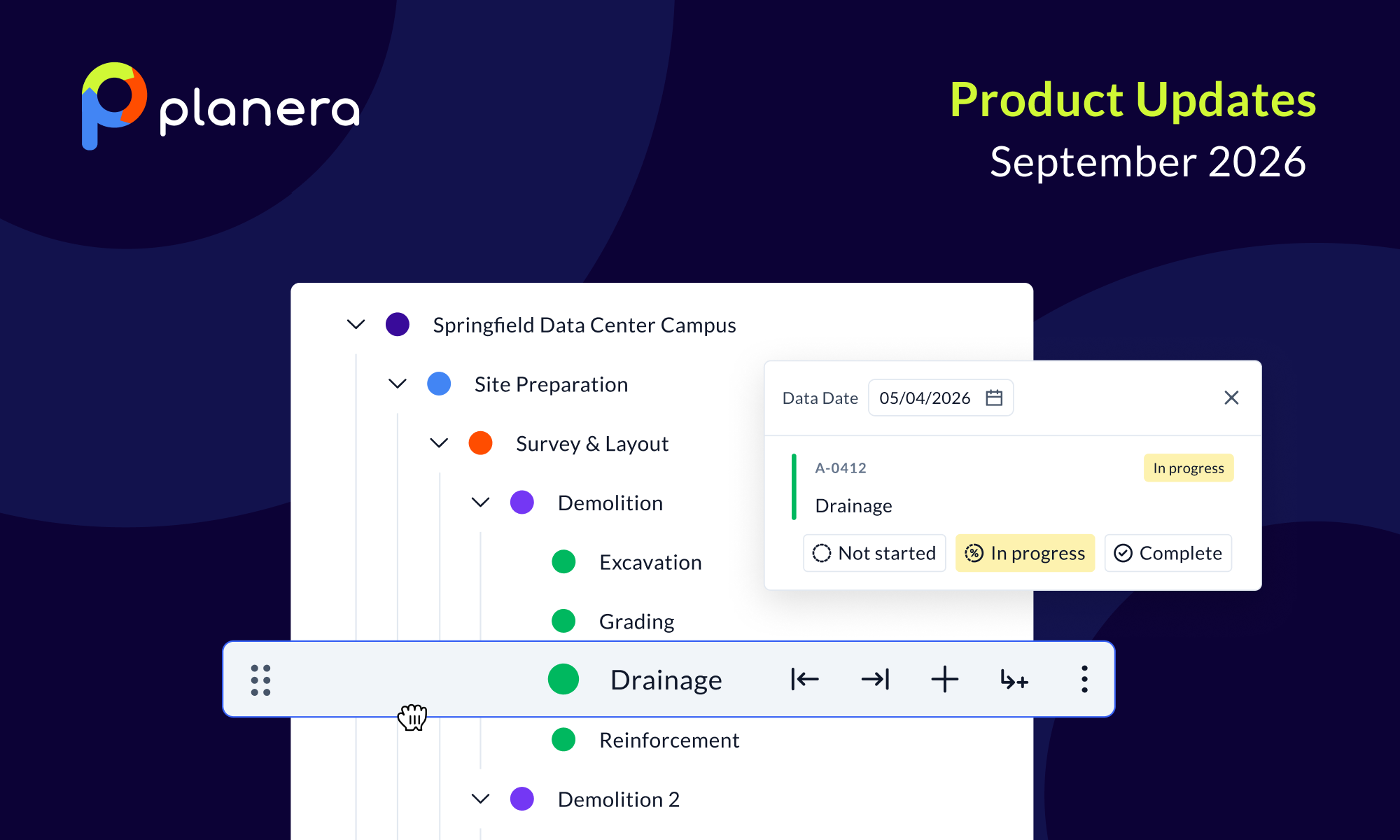
Unlike traditional tools confined to desktop software and static Gantt charts, these modern solutions empower teams to dynamically build and iterate schedules. Tasks, dependencies, and milestones are visually mapped, immediately highlighting potential bottlenecks or opportunities to safely accelerate timelines through parallel work.
More critically, their collaborative nature opens the scheduling process to the entire project team, including field engineers, trade partners, project managers, and even clients. Everyone can review and comment on the schedule in real time, identify potential conflicts proactively, and propose alternatives that genuinely improve efficiency. The result is a plan that is not only more accurate but truly optimized.
A Broader Brain Trust for a Superior Schedule
The principle is straightforward and powerful: collective intelligence builds a better plan.
In a data center project, every discipline brings unique, invaluable expertise. The MEP contractor might see chances for concurrent work in electrical and cooling systems. The structural team could pinpoint a sequencing issue impacting crane utilization. The commissioning manager might realize tasks can start earlier based on equipment readiness.
When these diverse perspectives are integrated into the schedule, the plan becomes far more resilient and efficient. Collaborative scheduling tools make this input practical and structured, without sacrificing control. The visual aspect makes it easier for non-schedulers to engage meaningfully. They can visually grasp how their proposed changes impact the overall timeline.
This democratization of the scheduling process cultivates a culture of ownership and accountability. When every team member understands the plan and has contributed to its formation, project alignment improves dramatically. Miscommunications decline, coordination excels, and the risk of costly delays diminishes significantly.
Intelligent Schedule Compression Through Collaboration
Beyond accuracy, visual scheduling enables intelligent schedule compression. In conventional environments, shortening a project’s duration often happens reactively, after a delay or missed milestone. Collaborative planning, however, identifies optimization opportunities from day one.
Consider overlapping workstreams previously assumed to be sequential, a move that can shave days or weeks off a schedule. Adjusting resource allocations or reordering tasks based on real-world input can yield similar gains. The key difference: these are proactive decisions, informed by those on the ground, rather than reactive ones made under duress.
For data center clients, keen to bring capacity online as quickly as possible, these efficiencies translate directly into competitive advantage. Delivering a project even two weeks early can represent millions of dollars in added value.
Transparency Drives Trust
Transparency is another critical, often underestimated, benefit. With all stakeholders working from the same live schedule, there’s no confusion over versions, no endless email threads with outdated attachments, and no surprises when changes occur. Updates are real-time and visible to everyone with access, including the owner.
This level of openness fosters trust, both internally within the contractor’s organization and externally with the client. Owners appreciate clear visibility into progress and potential risks. Project teams benefit from streamlined communication and reduced rework. In the high-stakes, competitive data center market, trust is a powerful differentiator.
Data-Driven, Continuous Improvement
Modern scheduling platforms also generate rich data on project planning and execution. Over time, this data becomes an indispensable tool for benchmarking performance, identifying recurring bottlenecks, and continuously refining future schedules.
For instance, analytics can reveal typical durations for specific data center construction phases, common deviation points, and which sequencing strategies consistently deliver faster results. Armed with this intelligence, contractors can hone their planning models, becoming far more predictive.
In an industry that prioritizes precision and repeatability, the ability to learn from past projects and apply those lessons to new ones is invaluable.
A New Standard for a Digital Era
The data center market is expanding rapidly, fueled by AI, cloud computing, and insatiable data demands. The pressure on contractors to deliver complex projects quickly and reliably will only intensify. Those adopting modern, collaborative scheduling approaches will gain a decisive edge.
By moving beyond static, specialist-driven scheduling to dynamic, inclusive planning, general contractors can achieve:
- Significantly greater accuracy in project forecasts.
- Shorter construction durations through optimized sequencing.
- Higher team engagement and accountability.
- Enhanced transparency and trust with clients.
- Systematic continuous improvement across all projects.
Legacy scheduling tools have served their purpose, but their limitations are increasingly mismatched with the speed and complexity of today’s data center projects. The future of data center delivery lies in processes and tools that are as connected and intelligent as the facilities themselves.
Conclusion
The message for data center builders is unambiguous: planning differently is no longer optional. Visual, collaborative scheduling isn’t just a technological upgrade; it’s a fundamental mindset shift that transforms scheduling into a shared, strategic advantage. When the entire project team can see, understand, and shape the plan, they can build faster, smarter, and with far greater confidence. And in a world where every day of delay can cost half a million dollars, that’s not just progress, it’s significant profit.
About Planera
Planera is a leading provider of visual, CPM-based construction scheduling solutions that transform project planning and management. Trusted by industry leaders including Granite, Big-D Construction, Barton Malow, and Blach Construction, Planera empowers teams to build faster, smarter, and with greater clarity. Planera is backed by investors such as Sierra Ventures, Sorenson, Brick & Mortar Ventures, Prudence, and Firebolt. Learn more at www.planera.io.
This article was originally featured in datacenterpost.com

You deserve better scheduling software.
Drive revenue, reduce costs, and manage scheduling with Planera.
Request a Demo