

Visibility at Every Level for Smarter Decisions
Empowering teams with real-time insights and enterprise-wide transparency











Portfolio-Wide Visibility & Control
Manage schedules, resources, and risks across multiple projects with a unified platform, ensuring consistency and strategic decision-making at every level.
Consistent & Scalable Planning
Create repeatable scheduling frameworks that drive efficiency, improve accuracy, and streamline coordination across teams and business units.

Optimized Resource & Risk Management
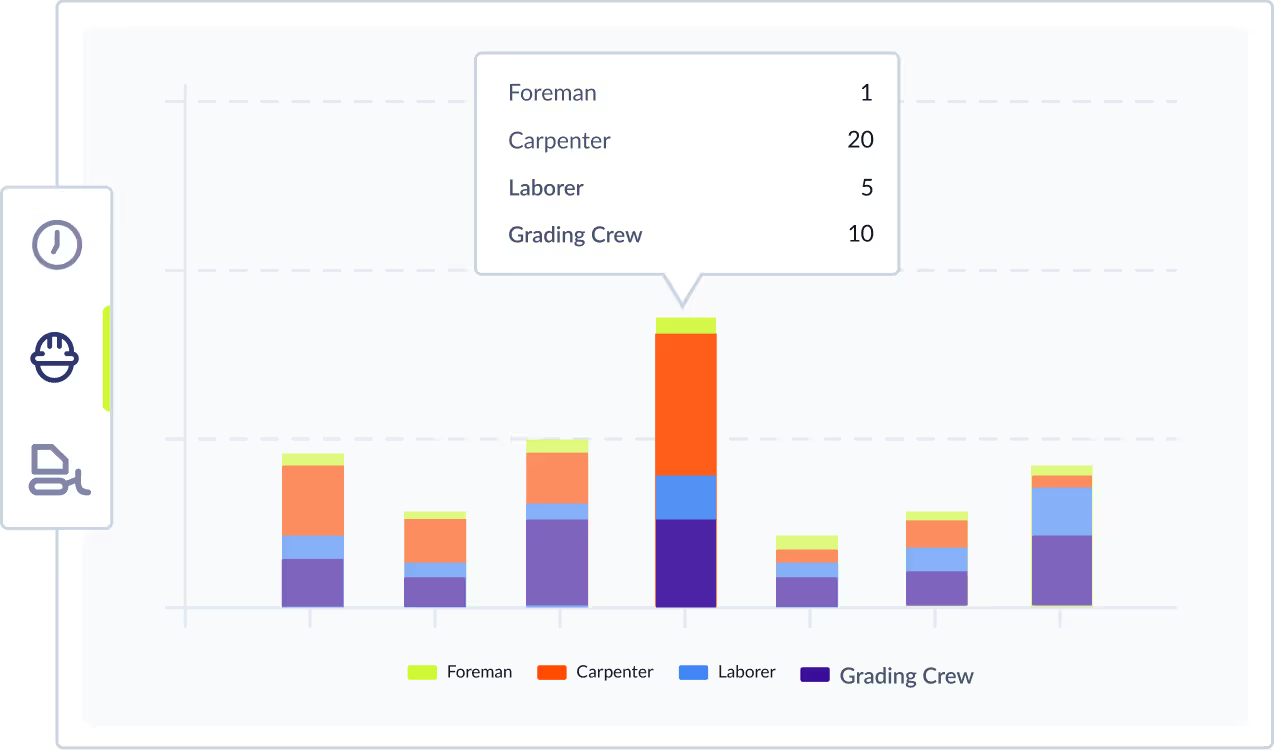
Forecast labor, equipment, and constraints in real time, proactively identifying bottlenecks and mitigating risks before they impact execution.
Powerful Tools to Keep Your Projects on Track

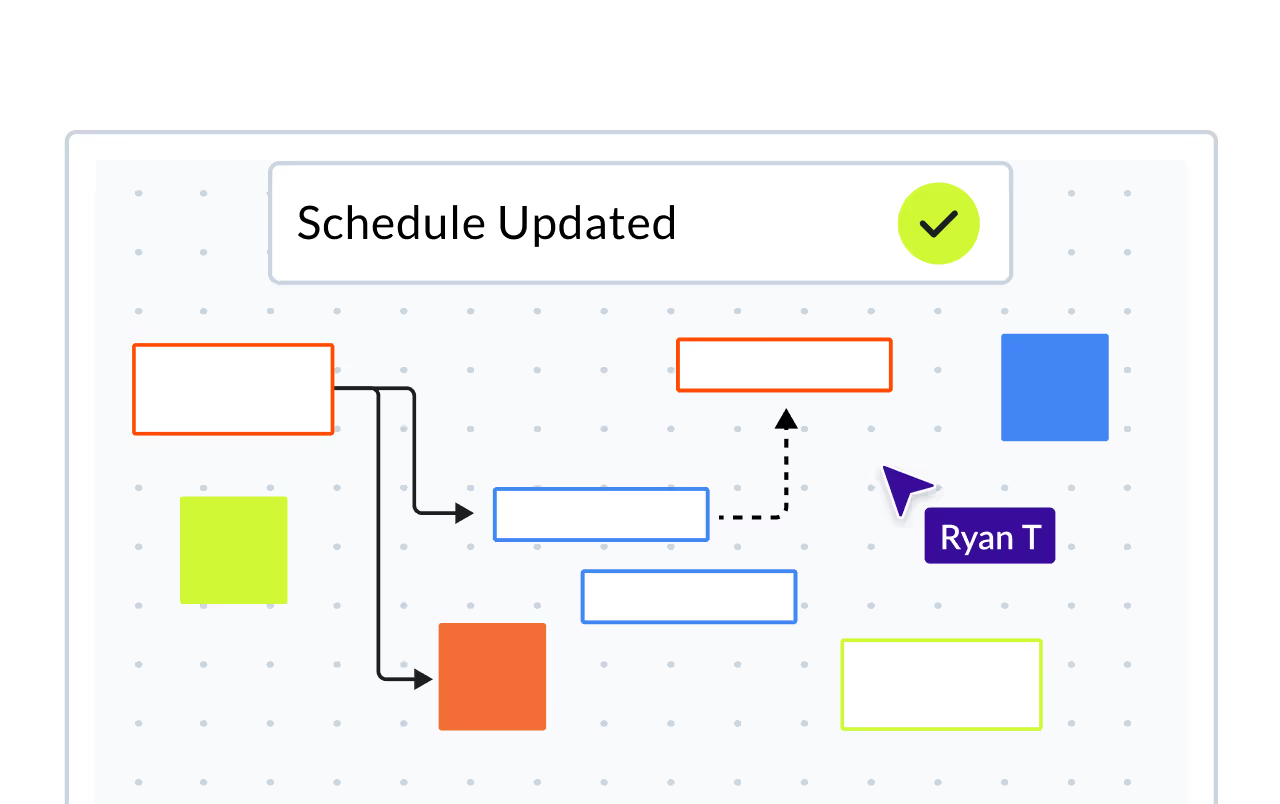
Entire team can work on the same project simultaneously like Google Docs

Ask questions about your schedule, generate unlimited what-if scenarios, and explore recovery options with Manny.

Improve project quality with integrated DCMA check. Check schedule scores, find problems, and fix them instantly to create the highest quality schedule possible.

Take a slice of the master schedule and create a field schedule in 30 seconds or less.

Craft a loaded schedule with custom resources using a user-friendly interface, complete with interactive usage graphs and tables for deep analysis.

Track the progress of each activity and milestone. Make monthly, weekly, or daily updates. Monitor project progress and keep all stakeholders informed.
Hear from our Customers
.webp)
“Planera has helped us make our schedules more accurate and efficient.”


"I am finally out of schedules as my Superintendents are now owning, maintaining and running the schedules.”

.webp)
"Everyone is able to easily contribute to the schedule which ensures accuracy and stakeholder alignment."


“You'll be doing your company a disservice by not taking a close look at Planera.”


“Awesome. I am living proof that you don't need to be a scheduler to use Planera.”


“I can’t even create one activity in OPC, and I was able to create 5 in 3 seconds using Planera.”

Frequently Asked Questions
To help you make an informed decision, we've compiled some of the most commonly asked questions.
What is enterprise construction scheduling software?
Enterprise construction scheduling software lets organizations manage schedules, resources, and risks across a portfolio of projects from a single platform. Planera provides enterprise-grade CPM scheduling with portfolio dashboards, resource allocation across projects, standardized quality checks, and role-based access, all in a cloud-native platform that doesn't require dedicated IT infrastructure.
How does Planera support multi-project portfolio scheduling?
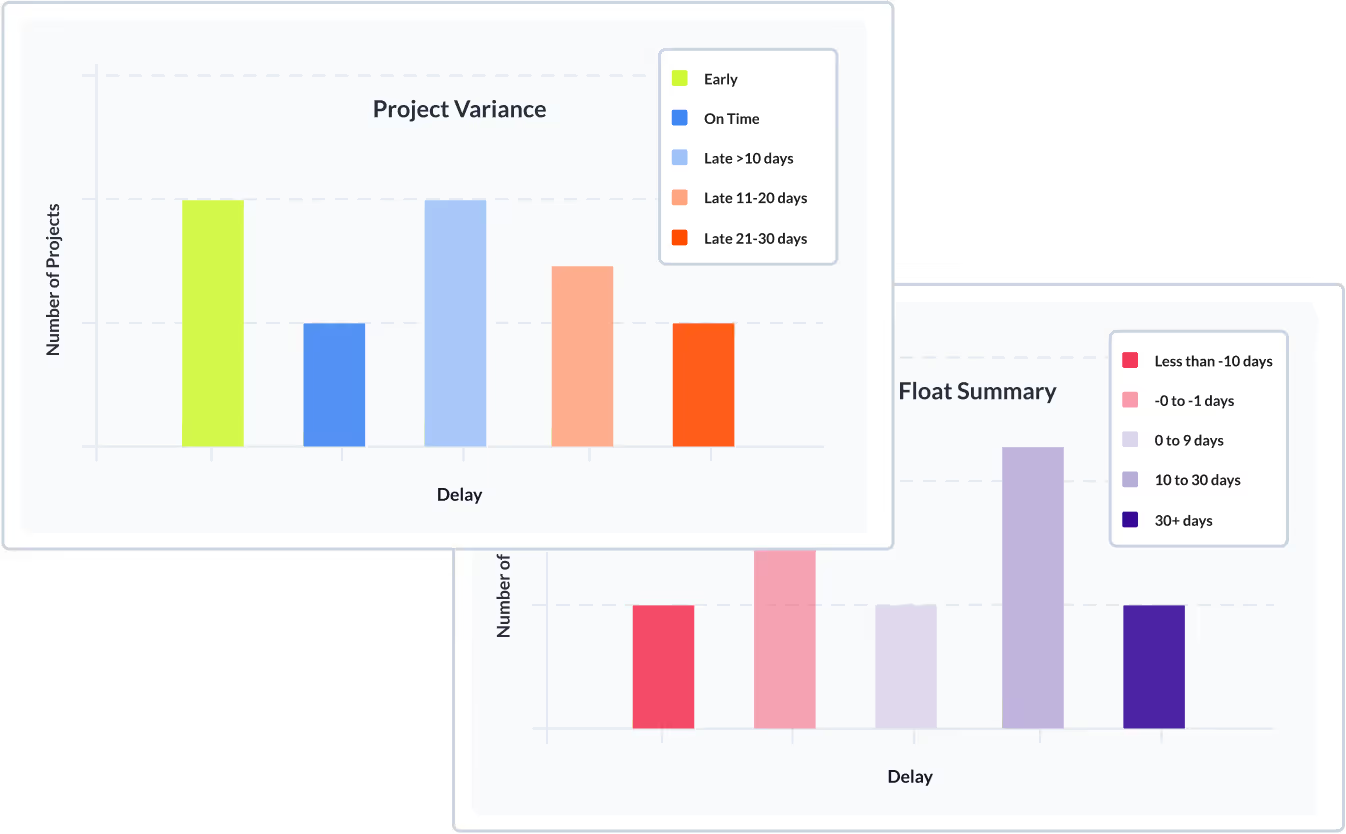
Planera's enterprise dashboard gives leadership real-time visibility into schedule health, resource utilization, and milestone progress across all active projects. You can compare DCMA quality scores, track float trends, and identify which projects need attention, all from one view connected to live CPM data.
Can Planera replace P6 at the enterprise level?
Yes. Enterprise teams like Balfour Beatty, Swinerton, and Hensel Phelps use Planera across their organizations. Planera matches P6's CPM depth (network logic, resource loading, DCMA checks, Monte Carlo simulation) while adding cloud collaboration, AI-powered analysis, and a modern interface that requires less training and no dedicated scheduling infrastructure.
Does Planera support SSO and enterprise security requirements?
Yes. Planera supports single sign-on (SSO), role-based access controls, and enterprise-grade security. The platform is SOC 2 Type 2 certified, which means it meets rigorous standards for data security, availability, and confidentiality that enterprise organizations require.
How do large construction companies standardize scheduling across teams?
Planera helps enterprises standardize scheduling practices by providing a single platform with consistent CPM logic, built-in DCMA quality checks, shared templates, and portfolio-level reporting. When every project team uses the same tool with the same quality standards, leadership gets reliable data and teams follow consistent processes.